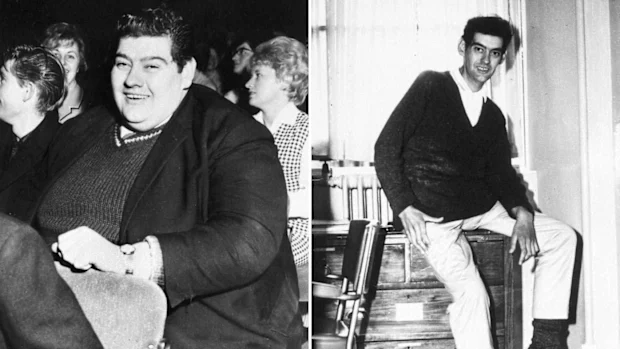
Imagine deciding not to eat breakfast. Now imagine skipping lunch and dinner as well. Then repeat this for more than a year. This sounds impossible, and for most people it would be extremely dangerous. Angus Barbieri did it under regular medical supervision between 1965 and 1966. His fast lasted 382 days. He did not simply lock the kitchen door and hope for the best. Doctors tested his blood and urine, and he received vitamins and other necessary substances. His experience was highly unusual. It shows why one surprising medical case should never be treated as an ordinary diet plan.
What do you think?
1] How does your body usually feel when you miss one ordinary meal?
2] Why can a regular schedule make healthy choices easier?
3] How might seeing or smelling food change a person’s decision?
4] Why is changing an eating habit often harder than making a plan?
5] When should a major body change require medical care?
6] Why can a news headline give a different impression from a full report?
7] Could a world record encourage unsafe behaviour? Explain your view.
8] Why does one successful person not prove that a method is safe for everyone?
9] What warning sign should make a person stop a strict diet and seek help?
10] Why should body size never be used to judge a person’s character?
11] How can public attention affect a private health decision?
12] Why might gradual change be easier to maintain than a sudden change?
13] How can friends or family support weight management without being rude?
14] What questions should you ask before trusting diet advice online?
15] Why might the same food plan affect two people differently?
16] What makes a health source reliable?
17] How can a useful personal goal slowly become dangerous?
18] Imagine working beside hot chips all day while not eating. What would be difficult?
19] Why is a follow-up check important after a major health change?
20] What is the difference between self-control and ignoring danger?
Did You Know?
- Barbieri’s documented fast lasted 382 days, from June 1965 to June 1966.
- His recorded weight fell from 207 kilograms to about 82 kilograms.
- Near the end, 37 to 48 days sometimes passed between bowel movements because almost no solid waste entered his body.
- A 1973 case report said that five years later he weighed about 89 kilograms.
Vocabulary
- ordinary meal — 보통 식사
- regular schedule — 규칙적인 일정
- daily routine — 일상
- target weight — 목표 체중
- medical care — 의료 관리
- blood test — 혈액 검사
- urine sample — 소변 검체
- food energy — 음식에서 얻는 에너지
- stored energy — 저장된 에너지
- careful record — 꼼꼼한 기록
- case report — 증례 보고서
- side effect — 부작용
- public attention — 대중의 관심
- news headline — 뉴스 제목
- scientific evidence — 과학적 근거
- weight management — 체중 관리
- eating habit — 식습관
- self-control — 자제력
- hunger signal — 배고픔 신호
- balanced diet — 균형 잡힌 식사
- health risk — 건강 위험
- long-term result — 장기 결과
- remarkable claim — 놀라운 주장
- reliable source — 신뢰할 수 있는 출처
- single case — 단일 사례
- professional advice — 전문가의 조언
- gradual change — 점진적인 변화
- warning sign — 경고 신호
- follow-up check — 추적 검사
- quality of life — 삶의 질
Glossary
Fasting — Fasting means going without food for a period of time. Some fasts allow water or other drinks. Long fasts can be dangerous. 금식.
Obesity — Obesity is a medical condition involving an amount of body fat that can increase health risks. It has many causes. It is not a measure of character or worth. 비만.
Metabolism — Metabolism is the set of processes that keeps a body alive. It changes food and stored material into usable energy. It also builds and repairs tissue. 대사.
Calorie — A calorie is a unit used to describe energy in food. The body uses this energy for movement, warmth, growth, and repair. A calorie is not a nutrient. 열량 단위.
Body fat — Body fat stores energy and helps protect organs. It also helps the body manage temperature and hormones. Too much or too little can cause health problems. 체지방.
Electrolyte — An electrolyte is a mineral with an electric charge in body fluids. Sodium, potassium, and magnesium are examples. The heart, nerves, and muscles need correct electrolyte levels. 전해질.
Vitamin — A vitamin is a substance the body needs in small amounts. Different vitamins support different jobs, such as making blood or maintaining skin. Vitamins do not replace food. 비타민.
Hypoglycaemia — Hypoglycaemia means that blood sugar is unusually low. It may cause shaking, sweating, weakness, or confusion. Severe cases require urgent treatment. 저혈당.
Medical supervision — Medical supervision means that trained health professionals observe and guide a treatment. They check symptoms and test results. Their aim is to detect danger early. 의료진의 감독.
Refeeding syndrome — Refeeding syndrome is a dangerous shift in fluids and minerals after food returns too quickly following severe undernutrition. It can damage the heart, lungs, or brain. Careful refeeding reduces the risk. 재급식 증후군.
A Young Man in Scotland

Angus Barbieri was 27 years old when his unusual treatment began in 1965. He lived in Tayport, a small Scottish town near Dundee. His family had Italian roots and ran a fish-and-chip shop. Food was therefore not a distant subject in his daily routine; it was part of the family business. Reports from the period describe a sociable young man who wanted a major change in his life. His story later travelled around the world, but it began locally, with one man, his family, and a hospital only a short journey from home.
1] Where did Barbieri live when his treatment began?
2] Why might his family business have made his situation unusual?
Barbieri entered medical care with severe obesity and a recorded weight of 207 kilograms. That number describes a health condition, not his value as a person. At that size, ordinary movement and public spaces could be difficult. His goal was to reach a lower target weight and improve his health. In later retellings, the large numbers often take all the public attention. The human situation matters more: he was a young adult asking for help with a serious problem. Respectful language keeps the person visible instead of turning his body into a joke or a spectacle.
1] What was Barbieri’s recorded weight when he entered care?
2] Why does respectful language matter when discussing body size?
Weight management looked different in the 1960s. Modern medicines, surgical methods, and long-term support programs were not available in their present forms. Some doctors used strict diets or therapeutic fasting for people with severe obesity. These methods could produce fast weight loss, but they also carried a health risk. Maryfield Hospital in Dundee had a university medical team that studied metabolism and obesity. Barbieri therefore entered a real treatment system, not a stage show. Even so, medical knowledge was still developing, and doctors of the period debated how long a supervised fast should safely continue.
1] Why were strict diets used more often for severe obesity in the 1960s?
2] What question did doctors debate about supervised fasting?
The best-known medical evidence about Barbieri came later. In March 1973, W. K. Stewart and Laura W. Fleming published a seven-page case report in the Postgraduate Medical Journal. It described his treatment, test results, and long-term result. A case report is a careful record of one patient, so it can reveal something unusual. It cannot show how often the same result would occur in other people. Barbieri’s experience is therefore valuable history, but it is still a single case. One exceptionally sturdy bridge does not prove that every bridge built from the same plan will stand.
1] What kind of medical document described Barbieri’s fast?
2] Why can one case report not prove that a treatment is safe for everyone?
How the Extraordinary Fast Began
Barbieri entered the hospital in June 1965. The medical team first intended a short fast because longer fasting was known to bring greater danger. However, he adapted to the treatment and strongly wanted to reach his goal. The doctors allowed the fast to continue while they watched him closely. This decision grew step by step; nobody appears to have planned 382 days at the beginning.
1] Did the medical team originally plan a 382-day fast?
2] Why is the step-by-step nature of the decision important?
During the fast, Barbieri had no ordinary meal. He could drink non-caloric fluids, including water, tea, and coffee. Doctors also supplied vitamins, yeast, and, at certain times, mineral supplements. Small amounts of milk or sugar were reported during the later period. These details do not turn the fast into a balanced diet. They show that “eating nothing” is a simple news headline for a more complicated medical procedure. The supplements provided some essential materials, while his body supplied most of its food energy from its own tissues. This was controlled deprivation, not a useful menu.
1] What could Barbieri consume during the fast?
2] Why is “eating nothing” an incomplete description of his treatment?
At first, the body uses a small supply of stored carbohydrate. After that supply falls, metabolism shifts toward stored energy in body fat. The liver makes ketones, which many organs can use for fuel. This helped Barbieri remain active while losing weight. However, the body cannot live on fat alone. It also breaks down some protein, and it still needs water, vitamins, and electrolytes. The body is less like a perfect battery than a crowded storeroom: it can find useful supplies, but opening the boxes also creates damage, waste, and missing parts.
1] Where did most of Barbieri’s energy come from during the long fast?
2] Why could body fat not meet every need of his body?
For much of the treatment, Barbieri lived at home and attended the hospital as an outpatient. He stopped working in the family food shop, which probably removed a powerful daily temptation. His eating habit changed, and reports said his hunger signal became weaker over time. Yet the fast should not be explained by self-control alone. His large energy reserve, medical supervision, supplements, personal motivation, and unusual physical response all mattered. Most people could not copy this result safely. Willpower is useful for refusing a second biscuit; it is not a replacement for blood chemistry or professional advice.
1] What change may have reduced Barbieri’s daily temptation?
2] Which factors besides self-control helped him continue?
Doctors, Vitamins, and Regular Check-ups
Regular check-ups turned the fast from a private experiment into a monitored medical treatment. Doctors took a blood test about once every two weeks and collected a urine sample at different points. They measured sugar and several minerals, and they tested how his body handled carbohydrate-related signals. Barbieri was able to walk around and attend appointments, but feeling well was not enough. A person may have a dangerous chemical change before clear symptoms appear. The tests acted like warning lights in a car: they did not drive the body, but they showed when something under the bonnet required attention.
1] How often did doctors usually test Barbieri’s blood?
2] Why were test results important even when he felt well?
Barbieri received daily vitamin products throughout the fast. For the first ten months, the plan included vitamin C and yeast. Doctors gave potassium from day 93 to day 162, then sodium for a short period near the end. Potassium and sodium are electrolytes that help nerves, muscles, and the heart work. The exact supplements changed because his test results changed. This is a central difference between medical care and an internet challenge. A qualified team can notice a problem and alter treatment. A stranger online generally cannot see anyone’s blood results, however confident the stranger’s video may sound.
1] Which two electrolytes did Barbieri receive during limited periods?
2] Why did the medical team change his supplements?
The published results contained several odd findings. During the last eight months, Barbieri’s blood glucose was often around 30 milligrams per 100 millilitres, a level that would normally suggest hypoglycaemia. Yet he remained alert and active. His magnesium stayed low, and his calcium rose temporarily near the end. These results show why his case was medically remarkable, but they do not prove that such levels are harmless. A laboratory number must be read beside symptoms, history, and other tests. The body is not an exam paper with one correct number printed neatly at the back.
1] What unusual blood sugar result did doctors record?
2] Why should a laboratory number not be judged by itself?
Ending a very long fast also requires caution. When food returns after severe deprivation, insulin can shift electrolytes and fluid rapidly into cells. This may cause refeeding syndrome, which can harm the heart, lungs, or brain. Modern professional advice is to restart nutrition carefully and monitor people at risk. Barbieri returned to carbohydrate gradually under medical supervision before eating a small solid meal. His successful recovery does not remove the danger for others. The final plate may look harmless, but after a long fast the body can receive it less like lunch and more like unexpected heavy machinery.
1] Why can returning to food be dangerous after severe deprivation?
2] How did medical supervision reduce the risk at the end of the fast?
Fame, Doubt, and the End of the Fast

A fast lasting more than a year naturally attracted public attention. Newspapers focused on the number 382 and on Barbieri’s dramatic change in appearance. In 1971, Guinness World Records recognised the event as the longest recorded fast. It later stopped encouraging fasting records because people might copy dangerous behaviour. Records can make health risks look like sporting challenges, although the body has no medal table and keeps poor souvenirs. A reliable source should explain the supervision, supplements, and uncertainty, not merely repeat a remarkable claim. The missing details are often the part that keeps a reader safe.
1] Why did Guinness stop encouraging fasting records?
2] Which details should a reliable source include with the record?
The fast ended on 30 June 1966, when Barbieri weighed about 82 kilograms. Doctors did not place a dinner before him. After a careful return to nutrients, he ate solid food on 11 July: one boiled egg, a slice of bread, and butter. It was a modest meal for a reported event. The scene reminds us that the end of a medical procedure is not a victory feast. A gradual change was safer. It also allowed doctors to observe his response instead of asking his digestive system to manage a banquet after more than a year of near silence.
1] What solid food did Barbieri eat after the fast?
2] Why was a small meal more suitable than a large feast?
The 1973 report gave an encouraging follow-up. About five years after reaching his lower weight, Barbieri weighed roughly 89 kilograms. This long-term result made his case more informative than a photograph taken on the final day. A follow-up check asks whether a change lasted and whether new problems appeared. However, the report offered limited information about his later eating pattern, mental wellbeing, or quality of life. Weight alone cannot describe a complete life. A bathroom scale is useful, but it is a remarkably poor biographer: it records one number and leaves out almost everything interesting.
1] What did the later follow-up report about Barbieri’s weight?
2] Which important parts of his later life were not fully described?
Barbieri’s story survives because it is extraordinary, not because it offers a safe plan. Current scientific evidence does not show that ordinary intermittent fasting is clearly better than other reasonable approaches to weight loss. A 382-day fast is far outside normal practice and would be especially unsafe for growing children. Good weight management usually involves a balanced diet, movement, sleep, support, and care suited to the individual. The proper lesson is how to judge evidence: separate a single case from a general rule, check the context, notice every health risk, and seek professional advice before any severe restriction.
1] Why should Barbieri’s experience not be treated as a general plan?
2] What usually supports safe weight management?
Homework
Writing tasks
1] In approximately one page, explain how missing an ordinary meal affects your body and mood. Describe at least two feelings, possible reasons for them, and a safe response.
2] In approximately one page, explain why a regular schedule can support a healthy eating habit. Include school days, weekends, sleep, and one realistic difficulty.
3] In approximately one page, argue whether record books should publish dangerous human achievements. Address public interest, personal freedom, copying, and warning labels.
4] In approximately one page, explain why one successful medical case does not prove a treatment is safe. Compare a single case with larger scientific evidence.
5] In approximately one page, describe how a news headline can hide important facts. Use Barbieri’s fluids, supplements, and medical supervision as examples.
6] In approximately one page, explain how friends and family can support weight management respectfully. Include helpful words, harmful comments, privacy, and practical support.
7] In approximately one page, argue for gradual change or rapid change in ordinary health habits. Discuss safety, motivation, long-term results, and professional advice.
8] In approximately one page, create a checklist for judging online diet information. Address the writer’s qualifications, reliable sources, risks, evidence, and commercial interests.
9] In approximately one page, explain the difference between self-control and ignoring a warning sign. Give one everyday example and one health example.
10] In approximately one page, explain why quality of life should be considered with body weight. Include physical health, mental wellbeing, relationships, and daily activities.
Debate topics
1] Should record organisations refuse to recognise dangerous health-related achievements?
Side A — Yes, because: 1) records encourage copying; 2) short headlines hide risks; 3) safety is more important than publicity.
Side B — No, because: 1) unusual events are part of history; 2) accurate reporting can include warnings; 3) adults can describe their own achievements.
2] Should schools teach unusual medical cases such as Barbieri’s?
Side A — Yes, because: 1) memorable stories build interest; 2) students can practise checking evidence; 3) the risks provide useful health education.
Side B — No, because: 1) some students may copy the behaviour; 2) the extreme case may distract from normal health advice; 3) body-weight topics can require special care.
3] Should a medically supervised, very-low-energy diet ever be offered to an adolescent with severe obesity?
Side A — Yes, because: 1) severe illness may require strong treatment; 2) trained professionals can monitor risks; 3) short programs may help before drugs or surgery.
Side B — No, because: 1) growth needs steady nutrition; 2) side effects are common; 3) longer, less restrictive support may protect wellbeing better.
Answer the following questions in full sentences. If you don’t know the right answer, add a (?) mark, and later we can look at it together.
1] Who was Angus Barbieri?
2] Where did his family work?
3] How old was he when the treatment began?
4] What health problem led him to seek medical care?
5] What did the doctors originally intend to do?
6] How long did the documented fast last?
7] Which drinks were allowed during the fast?
8] Why were vitamins and yeast supplied?
9] How did Barbieri’s body obtain most of its energy?
10] Why can the body not depend on stored fat for every need?
11] What did doctors learn from blood and urine tests?
12] Why were potassium and sodium given during limited periods?
13] What is hypoglycaemia?
14] What danger can occur when food returns too quickly?
15] What did Barbieri eat when he returned to solid food?
16] Why did newspapers find his story attractive?
17] What did the five-year follow-up show?
18] What is one important limit of a case report?
19] What did the recent review of 22 studies conclude about intermittent fasting?
20] Why is this historical case not safe diet advice for Grade 7 students?
Teaching illustrations and similes
1] Stored energy — Compare body fat to supplies kept in a storeroom for later use. Limit: a body also needs protein, vitamins, minerals, and water, which the fat store cannot fully provide.
2] Changing metabolism — Compare it to a hybrid vehicle switching from one fuel source to another. Limit: the body changes many chemical pathways, not one simple engine setting.
3] Medical supervision — Compare doctors and tests to a flight crew reading many instruments. Limit: tests reduce risk but cannot make an extreme treatment completely safe.
4] Electrolyte balance — Compare sodium, potassium, and magnesium to carefully placed electrical connections. Limit: electrolytes also control fluid movement and many processes beyond carrying signals.
5] A case report — Compare it to one detailed photograph of an unusual animal. Limit: it proves that one event was observed, but not how common it is.
6] A large study — Compare it to a class survey that checks many experiences instead of asking one student. Limit: even large studies can have weak methods or missing information.
7] Refeeding — Compare a careful return to food to opening a water valve slowly after a long closure. Limit: food changes hormones and minerals as well as the amount of material entering the body.
8] A headline — Compare it to a label on a closed box: useful, brief, and unable to show everything inside. Limit: a good headline can still be accurate if the reader continues.
9] Gradual health change — Compare it to adjusting a bicycle seat one step at a time and checking the result. Limit: urgent medical problems sometimes need rapid treatment.
10] Weight and wellbeing — Compare body weight to one instrument on a large control panel. Limit: the number matters medically in context, but it cannot measure character, happiness, or a whole life.