A silk shirt begins with an insect making a small sleeping bag. That is an unlikely start for a story about empires, deserts, and international trade, but history rarely asks for a sensible opening. For centuries, silk and many other goods moved between communities across Asia and beyond. The journeys carried more than objects. They carried skills, beliefs, and sometimes disease. The important part was not one magnificent road. It was thousands of people making connections.
In the News
Scientists document lost mountain cities on Silk Road in Uzbekistan — Reuters, 23 October 2024. Researchers used laser mapping to study two medieval settlements in Uzbekistan. Their findings show that mountain communities could be important centres of trade and production.
Samarkand’s Silk Road legacy: From ancient murals to the revival of silk paper — Euronews, 19 March 2025. This partner-funded report examined old murals and present-day crafts in Samarkand. It connects physical evidence with skills preserved by living communities.
A living craft – how silk is made from cocoon to cloth — Euronews, 26 May 2026. This partner-funded report described contemporary silk production in Uzbekistan. The subject links the historical trade in cloth with the people who continue to make it.
What do you think?
1] Why might a small object be worth a long journey?
2] How could travellers cross a dry region safely?
3] Can information be sold?
5] How can a useful skill move without a written book?
6] Why do prices change between a maker and a buyer?
7] What might happen when two languages meet?
8] How could a mountain both protect and isolate a town?
10] How can we tell where an old object was made?
12] What could make a journey more dangerous than expected?
15] What can a broken pot tell us about everyday life?
16] How could a new invention change a journey?
17] Why might traders carry news as well as goods?
18] How can travel spread an illness?
19] What happens to a town when travellers stop coming?
20] Why should we question a simple name for a complicated history?
Did You Know?
The name Silk Road became popular in the nineteenth century, long after many of its famous trading communities had lived.
Silk is made from a protein fibre produced by silkworms; traditional production often kills the pupae while preparing the cocoons.
Bactrian camels have two humps, which store fat rather than water.
The network included sea journeys as well as paths through deserts and mountains.
Vocabulary
- border — 국경
- tax — 세금
- guide — 길잡이
- craft — 공예 기술
- cocoon — 고치
- fibre — 섬유
- evidence — 증거
- fragment — 조각
- origin — 기원
- adapt — 적응하다
- preserve — 보존하다
- route — 이동 경로
- valuable — 가치 있는
- journey — 여행
- stranger — 낯선 사람
- skill — 기술
- belief — 믿음
- shelter — 피신처
- cargo — 운송 화물
- profit — 이익
- bargain — 흥정하다
- trust — 신뢰
Glossary
Trade network — This is a set of connected places where people exchange goods. Goods can move through several buyers. No single traveller must cross the whole network. 교역망.
Caravan — This is a group travelling together. Animals may carry goods. Travelling together can improve safety. 대상 행렬.
Oasis — This is a place with water in a dry region. Plants and people can live there. Travellers depend on its water. 사막의 물과 식물이 있는 곳.
Merchant — This person buys and sells goods. A merchant compares costs and prices. Profit is not guaranteed. 상인.
Intermediary — This person connects a seller with another buyer. An intermediary may know local languages. Several intermediaries can handle one object. 중개인.
Cultural exchange — This happens when people share ideas or practices. The receiver may change them. Exchange does not always happen peacefully. 문화 교류.
Archaeology — This is the study of people through physical remains. Researchers record where objects are found. An object’s position helps explain its history. 고고학.
Caravanserai — This is a stopping place for trading travellers. It can provide rooms and space for animals. Its services support long journeys. 대상의 숙소.
Monsoon — This is a seasonal change in winds. It can bring heavy rain. Sailors used its patterns to plan journeys. 계절풍.
Sericulture — This is the raising of silkworms to produce silk. Workers feed and care for them. The work requires time and skill. 누에 사육.
A Network Across Difficult Ground
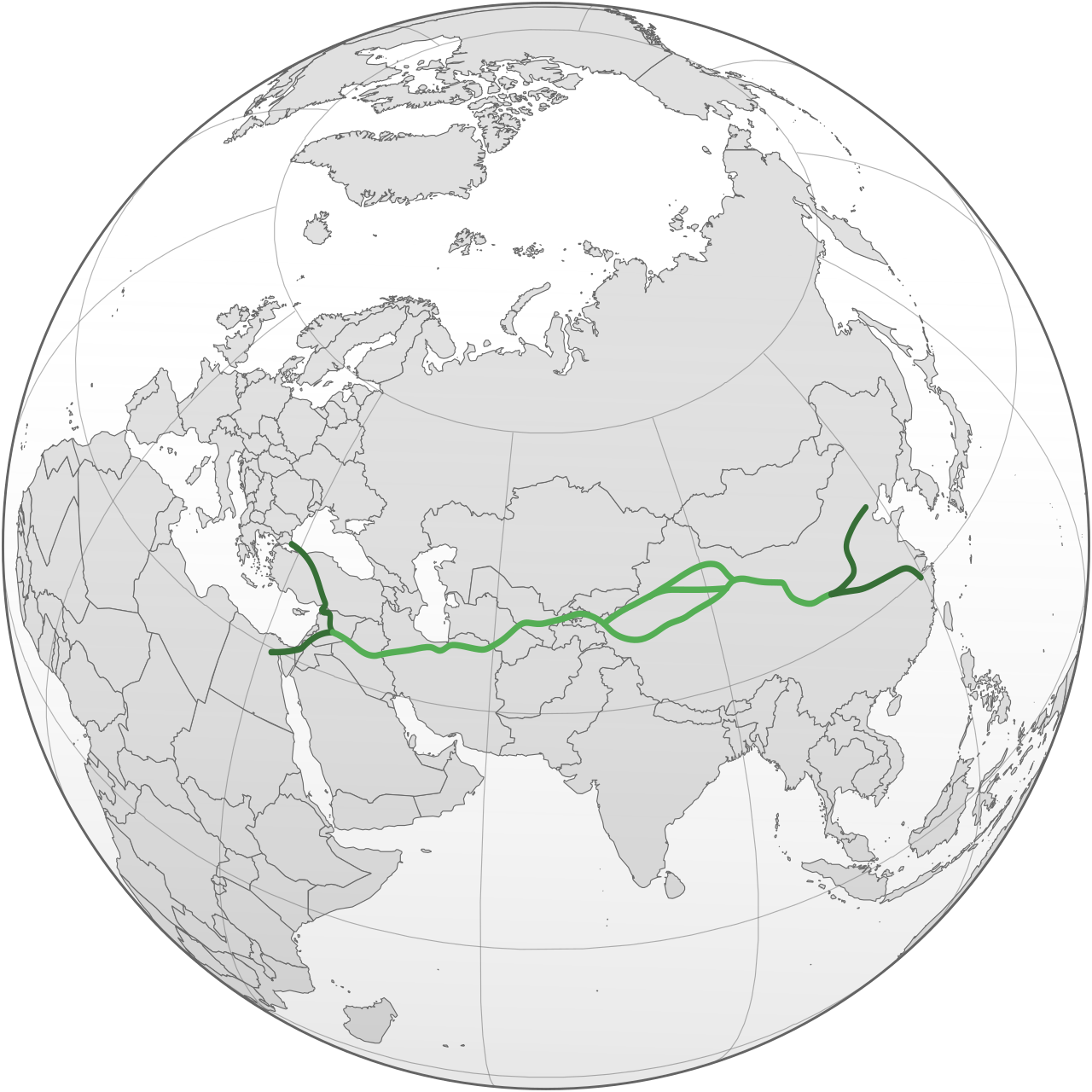
The Silk Road was not a single road built by one government. It was a changing trade network joining many local routes. Some paths crossed Central Asia between China and the Mediterranean world. Others connected South Asia, the Middle East, and Africa. Traders also used sea routes. Different sections grew important at different times, so a map showing one tidy line can be misleading. The modern name emphasises silk, but people carried many other goods. To understand the network, imagine linked markets rather than one camel walking from China to Europe with an unusually big shopping list.
1] Who made the silk road?
2] Where did it connect?
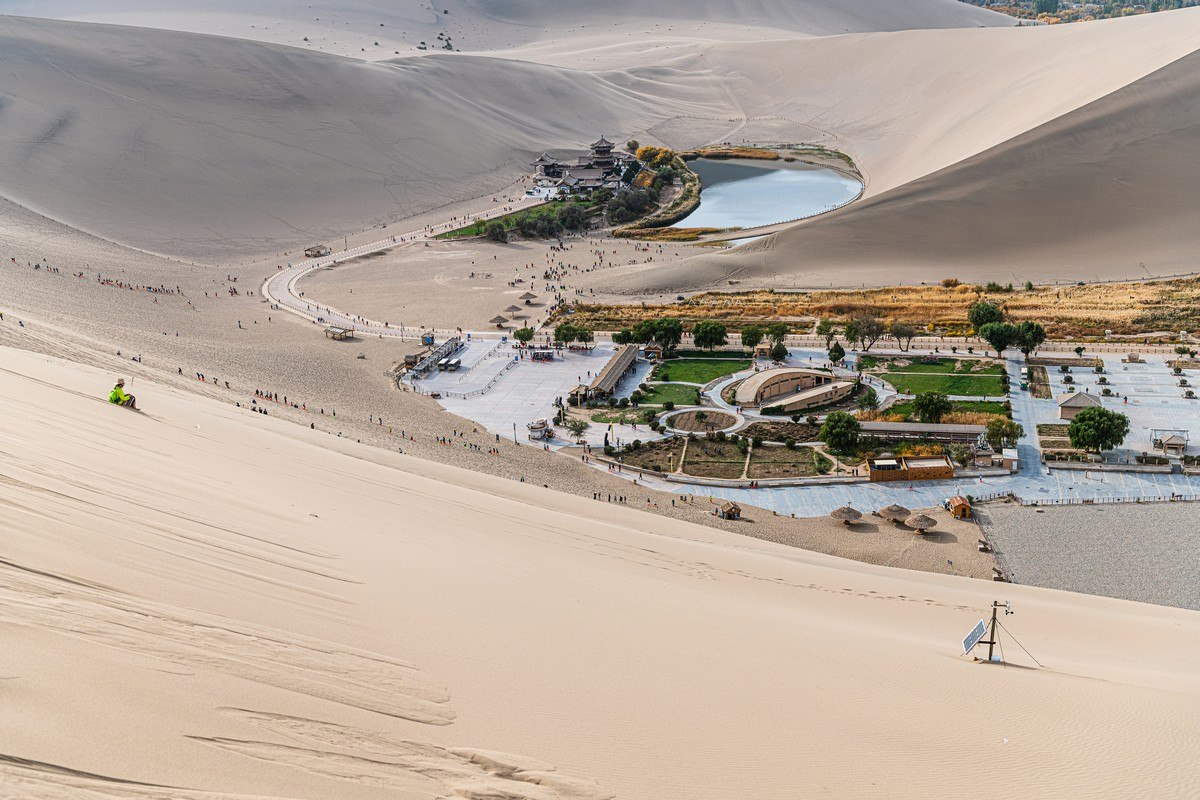
Geography decided which journeys were possible. The Taklamakan Desert in western China was difficult to cross, so many travellers followed routes around its edges. An oasis provided water, food, and places to rest. Mountain passes offered ways through high ground, but snow could close them. Travellers needed local guides who knew wells and seasonal dangers. A straight route was not always the safest or quickest choice. The location of reliable water often mattered more than distance alone. Nature supplied no timetable and accepted no complaints, so experience was a valuable part of a traveller’s equipment.
1] Why did travellers follow the edges of some deserts?
2] How could a local guide improve safety?
Large political changes affected travel. Under the Han dynasty, Chinese journeys and military activity expanded connections with Central Asia, especially from the second century BCE. BCE means before the Common Era, the dating system used here. Later rulers controlled different sections of the routes. Some protected merchants because trade produced tax income and useful goods. Others fought wars that interrupted movement. Protection could therefore change when power changed. A traveller needed to understand borders as well as terrain. Safe passage depended on agreements, local conditions, and sometimes payments, rather than on a permanent promise of peace across an entire continent.
1] Why might a ruler protect merchants?
2] Why could a political change disrupt a journey?
Sea travel belonged to this wider story. Ships linked ports around the Indian Ocean and beyond, carrying cargo that would be difficult to move overland. Sailors learned to use the monsoon, a seasonal change in winds. They planned departures around these patterns, although storms still created danger. Ports needed storage, fresh water, and connections to inland markets. Land and sea routes could support each other rather than compete at every stage. A product might leave a workshop by cart, continue by ship, and finish its journey on an animal’s back. Transport was a sequence of practical decisions, not one fixed method.
1] How did seasonal winds help sailors?
2] How could one product use both land and sea transport?
Goods, Animals, and Trading Towns
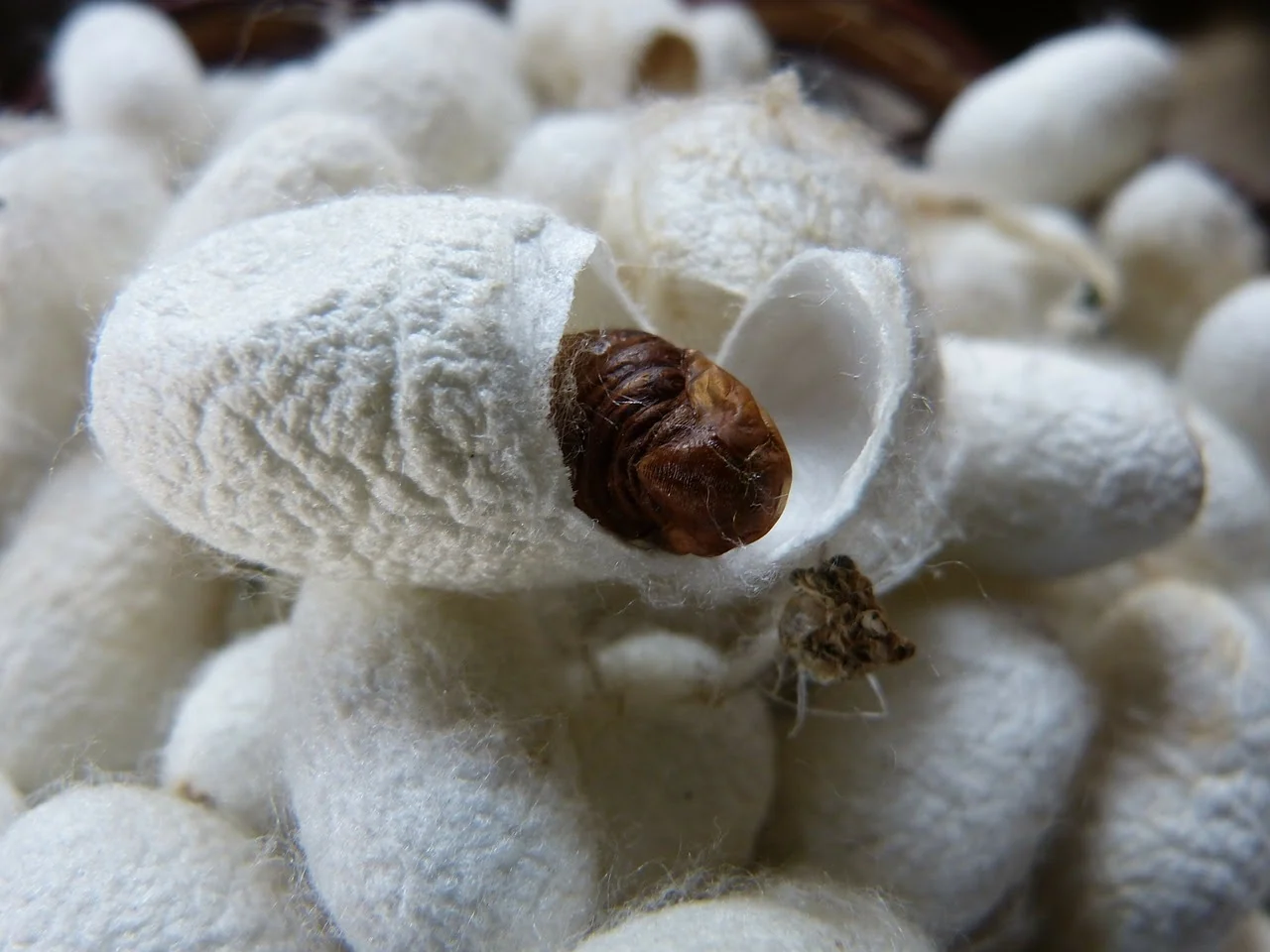
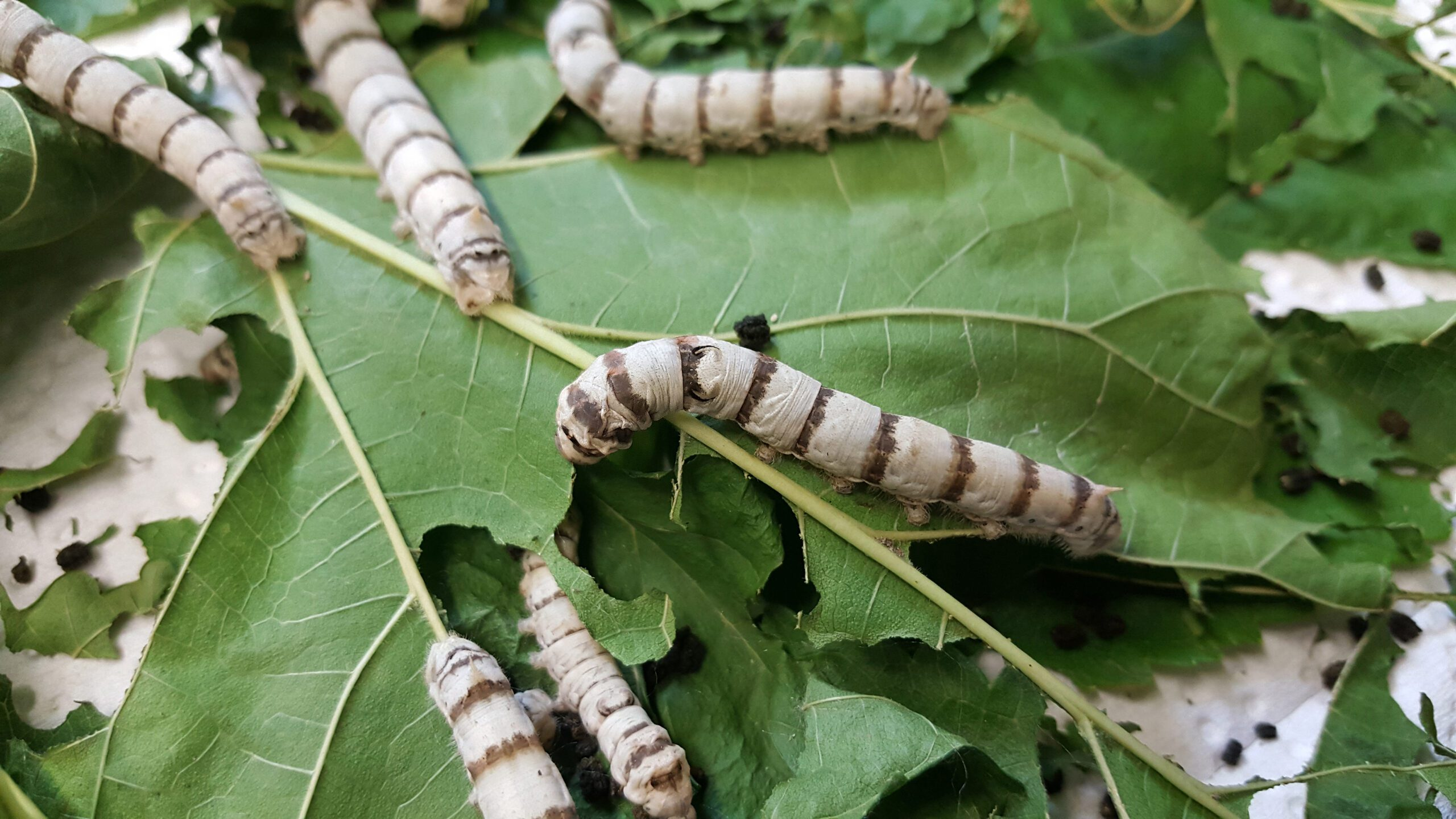
Silk was valuable because producing it required careful work. In sericulture, workers raised silkworms, usually feeding them mulberry leaves. The insects formed cocoons made from long protein fibres. Workers prepared these cocoons and unwound fibre to make thread, which could be woven into cloth. Traditional methods often killed the pupae during preparation. The finished material was light, strong, and attractive, making it useful for expensive clothing and gifts. Its high value compared with its weight helped justify long journeys. A bulky cheap object would have been a much less convincing passenger on a costly caravan crossing rough ground.
1] Why was silk suitable for long-distance trade?
2] Which stages of production required human work?
Merchants carried far more than silk. Depending on the period and location, goods included spices, glass, metalwork, precious stones, horses, and wool. Some rulers wanted strong horses for their armies, while wealthy buyers wanted unusual objects that displayed status. Demand gave traders a reason to cross difficult ground. However, most communities still depended heavily on local farming and nearby exchange. Long-distance luxury goods were important without being everybody’s daily shopping. A market stall could sell ordinary grain beside a rare imported ornament. Studying both helps us see the lives of working people as well as the tastes of kings.
1] Why might a ruler want imported horses?
2] Why should historians also study ordinary goods?
Few merchants travelled the entire length of the network. An intermediary might buy goods in one town and sell them in another. The next merchant could continue the journey. Each stage added transport costs and a possible profit. Prices could rise because sellers paid for food, shelter, animals, and border taxes. A trader also risked losing cargo to theft or damage. Buyers and sellers used coins, weights, and bargaining, but systems varied between places. Knowing local customs was therefore useful. An object could cross several languages and political borders while its original maker remained at home, entirely unaware of the final customer.
1] How did intermediaries move goods across long distances?
2] Why could the final price exceed the maker’s price?
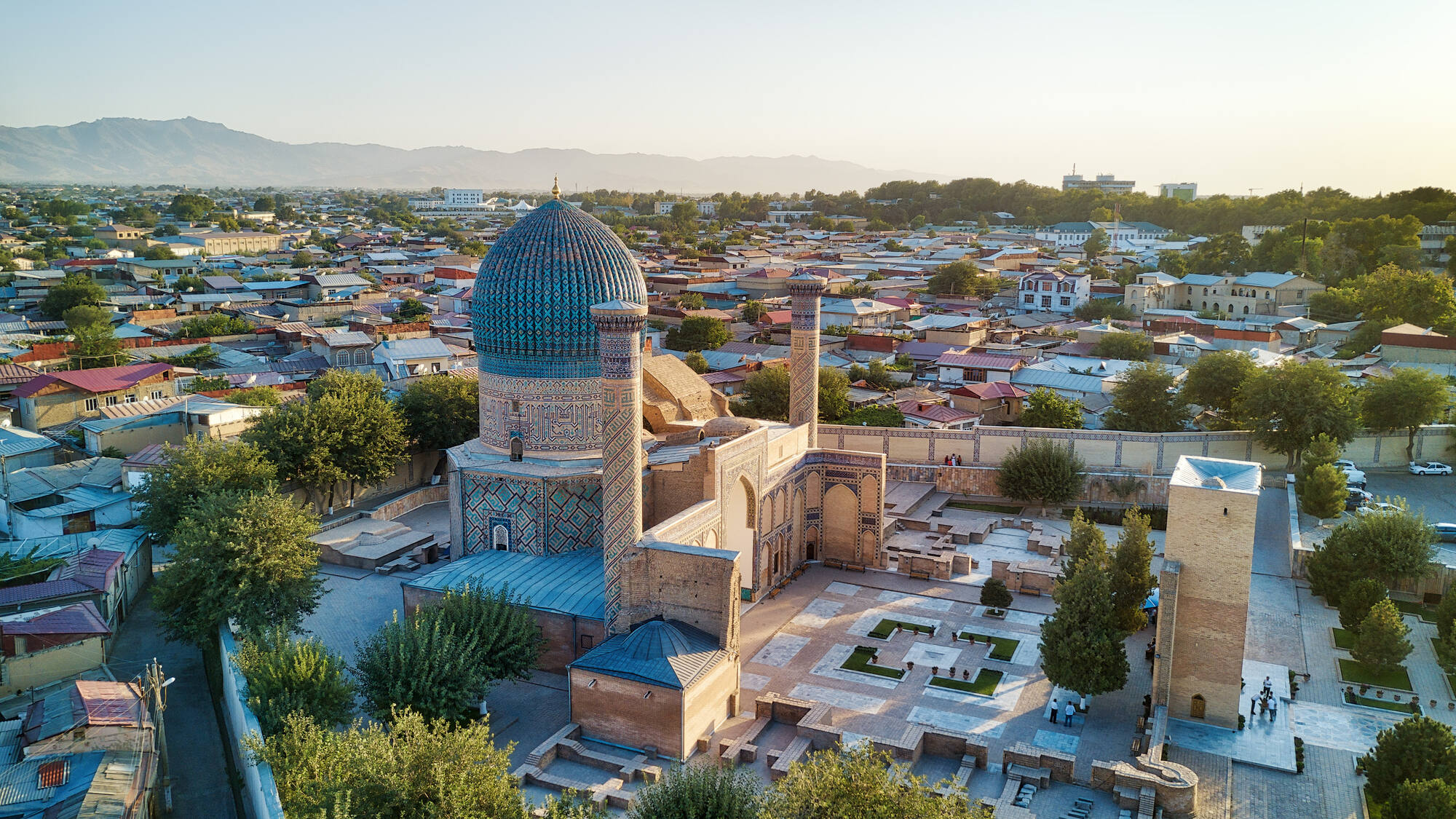
Trading towns offered services that travellers could not carry in their bags. A caravanserai supplied space for people and animals to stop, while nearby workshops repaired equipment. Markets provided food and opportunities to sell cargo. Towns such as Samarkand and Bukhara became important meeting places, although their fortunes changed over time. Visitors needed more than a handsome building: they needed water, trustworthy partners, and useful connections. A town’s success depended partly on these practical advantages. Trade could support crafts and employment, but it could also make a community vulnerable if war or a new route suddenly sent travellers somewhere else instead.
1] What services made a trading town useful?
2] How could a change of route harm local workers?
Ideas That Travelled
People carried beliefs along with their possessions. Buddhist monks and other travellers helped Buddhism spread from South Asia into Central and East Asia over many centuries. Communities built temples and translated teachings into new languages. Other religions also moved through these networks, including Christianity and Islam at different times. Local people did not simply accept every visiting idea unchanged. They interpreted teachings through their own languages and traditions. Art could show this mixture, combining familiar local forms with influences from elsewhere. Cultural exchange was a process of selection and adaptation, not a delivery service in which every society received an identical package.
1] Why did translation matter when beliefs travelled?
2] How could local communities change an imported idea?
Practical knowledge also moved between communities. Papermaking developed in China and spread westward over time, eventually supporting writing in many regions. Craftspeople learned techniques by watching, practising, and teaching apprentices. A written instruction could help, but skilled hands mattered too. Moving a tool did not automatically move the knowledge needed to use it well. People adapted methods to available materials and local needs. This makes the idea of a single inventor giving civilisation to everyone else too simple. Invention, improvement, and sharing often involved many communities. The network helped connect those efforts without removing the labour required to learn a craft.
1] Why was a tool alone insufficient to transfer a skill?
2] How could local materials change a technique?
Trade encouraged people to solve communication problems. Merchants who spoke several languages could explain prices and settle disagreements. Others used interpreters. Repeated meetings helped establish trust, especially when partners knew each other’s families or business contacts. Trust did not remove the possibility of cheating, so clear weights, witnesses, and records remained important. Travellers also carried reports about distant markets and political events. Such news could help someone avoid a dangerous route or find a buyer. However, a story heard in a market was not automatically accurate. Useful information and confident nonsense could arrive on the same day, carried by equally tired travellers.
1] How did interpreters support trade?
2] Why should merchants check travellers’ news?
Connections could spread disease as well as useful knowledge. People, animals, and unwanted passengers such as fleas moved between places. Plague outbreaks involved bacteria and complicated ecological conditions, not simply one infected merchant walking along one famous road. Medieval trade and travel helped connect regions, but historians and scientists still examine how particular outbreaks spread. The lesson is that movement can carry biological risks without making all contact harmful. Communities needed ways to respond to illness, although their understanding was limited. We can recognise the danger while avoiding the unfair claim that a particular people or country was responsible for every epidemic.
1] Why is disease spread more complicated than one journey?
2] How can we discuss outbreaks without blaming whole populations?
Evidence and a Changing World
Archaeology tests stories about trade against physical evidence. A glass vessel, coin, or cloth fragment can suggest contact with distant places. Researchers study its materials, design, and position in the ground. They compare it with objects from other sites to estimate its origin and age. One imported object shows a connection, but it does not prove that thousands of identical objects followed the same route. Nor does it prove that the original maker visited the place where it was found. Evidence becomes stronger when several independent clues agree. The smallest broken fragment can be useful if its discovery was carefully recorded.
1] What clues can suggest an object’s origin?
2] What does one imported object fail to prove?
New tools can reveal places that are hard to recognise by eye. Laser mapping, often called lidar, measures the shape of the ground with pulses of light. In Uzbekistan, researchers used it to study medieval mountain settlements associated with the Silk Road. Maps revealed patterns of buildings and streets beneath difficult terrain. Researchers still needed excavation and other evidence to explain who lived there and what they did. A computer image cannot identify every activity by itself. Technology improves the questions archaeologists can ask, but careful interpretation remains necessary. A hidden town is a discovery; a complete account of its life takes longer.
1] How can laser mapping help archaeologists?
2] Why are excavation and interpretation still needed?
Routes changed when the costs and conditions of travel changed. Wars could damage towns, while new political agreements could restore movement. Improvements in ships and changing demand made some sea connections increasingly important. These changes did not mean every land route disappeared on one date. Local trade continued, and communities found different ways to earn a living. Historical networks grew, shifted, and sometimes weakened unevenly. Modern trains and container ships now carry goods on a very different scale. Calling a project a new Silk Road can suggest continuity, but its engines, finance, governments, and environmental effects require their own explanation.
1] Why did old routes change unevenly?
2] Why should we examine a modern project separately from its historical name?
Preserving Silk Road heritage involves choices about living communities. An old market or caravanserai may attract visitors and support local jobs. Too many visitors, careless repairs, or construction can also damage a site. Preservation should include the people who live nearby, rather than treating their town as an empty museum. Researchers must explain uncertainty honestly, and tourists should respect local customs and rules. The wider value of these places is the evidence they hold about cooperation, adaptation, and conflict. Their history helps us understand connections between societies without pretending that every meeting was friendly or that every journey made everyone richer.
1] Why should residents help make preservation decisions?
2] What can heritage reveal besides successful trade?
Homework
Writing tasks
1] Write approximately one page about this question: Why might a small object be worth a long journey? Explain value, weight, and the costs of travel.
2] Write approximately one page about this question: How could travellers cross a dry region safely? Describe water supplies, guides, and seasonal risks.
3] Write approximately one page about this question: Why would people stop in a particular town? Compare location with the services a town offers.
4] Write approximately one page about this question: What makes someone trust a stranger with valuable goods? Discuss records, reputation, and ways to check a bargain.
5] Write approximately one page about this question: How can a useful skill move without a written book? Explain apprenticeship and the limits of moving tools.
6] Write approximately one page about this question: Why do prices change between a maker and a buyer? Follow one object through several intermediaries.
7] Write approximately one page about this question: What might happen when two languages meet? Discuss translation and changes in local culture.
8] Write approximately one page about this question: How could a mountain both protect and isolate a town? Use a mountain settlement as your example.
9] Write approximately one page about this question: Why might a ruler protect visiting traders? Explain tax income, protection, and political change.
10] Write approximately one page about this question: How can we tell where an old object was made? Use materials, design, and the limits of one discovery.
Debate topics
1] Should historic trading towns limit tourist numbers?
Side A — Yes, because: 1) limits protect fragile remains; 2) residents need usable streets; 3) smaller groups are easier to manage.
Side B — No, because: 1) tourism supports local jobs; 2) fees can fund repairs; 3) careful visitor routes may reduce damage.
2] Should merchants choose a longer route when it offers more reliable water?
Side A — Yes, because: 1) people and animals need water; 2) delays can cost more than distance; 3) reliable stops reduce danger.
Side B — No, because: 1) some shorter routes have good guides; 2) detours require extra food; 3) seasonal conditions may make the shorter route safe.
3] Should museums give more space to ordinary trade objects than royal treasures?
Side A — Yes, because: 1) ordinary objects show daily life; 2) they reveal workers’ skills; 3) they broaden the historical picture.
Side B — No, because: 1) royal objects show political connections; 2) rare treasures attract visitors; 3) a balanced display can teach both.
Answer the following questions in full sentences. If you don’t know the right answer, add a (?) mark, and later we can look at it together.
1] Why is the Silk Road better described as a network?
2] How did an oasis support travellers?
3] Why could snow affect mountain trade?
4] How did rulers influence safe passage?
5] How did monsoon winds affect sea journeys?
6] What did workers obtain from silkworm cocoons?
7] Why did value compared with weight matter?
8] What goods travelled besides silk?
9] What was an intermediary’s role?
10] Why did prices rise during a long journey?
11] What services did a caravanserai provide?
12] How could route changes affect a town?
13] How did translation support the spread of beliefs?
14] Why did practical skills require teaching?
15] How could merchants establish trust?
16] How could travel contribute to disease spread?
17] What can an imported object show?
18] What does an imported object fail to show?
19] How does laser mapping help study settlements?
20] Why should local residents take part in preservation?
Teaching illustrations and similes
1] A trade network — Compare linked markets with a relay race. Goods may change hands, but traders are not racing toward one shared finish.
2] An oasis — Compare it with a charging station on a difficult journey. Travellers need water and food rather than electricity.
3] Intermediaries — Follow a school message through several students. Unlike a message, cargo has weight and can be damaged.
4] Value and weight — Compare carrying a ring with carrying a sack of cheap stones. Actual prices depend on demand and quality.
5] A caravanserai — Compare it with a roadside inn that also parks animals. Its services varied by place and period.
6] Cultural exchange — Compare a recipe changing between households. Religious beliefs are more complex than recipes.
7] Translation — Compare a bridge between two groups. A translated idea may still have several interpretations.
8] Trust — Compare a reliable class partner with an unknown helper. Commercial trust also needs checks and rules.
9] Archaeological evidence — Compare clues in a puzzle. Some pieces are missing, so the complete picture may remain uncertain.
10] Changing routes — Compare shops losing customers when a bus stop moves. Historical changes usually had several causes.