-
 Continue reading →: Cyberdeck Discord Community Survey 2021
The results of the Cyberdeck Discord Community Survey are in! As they say in the classics: “Let me tell you about my mother…”
-
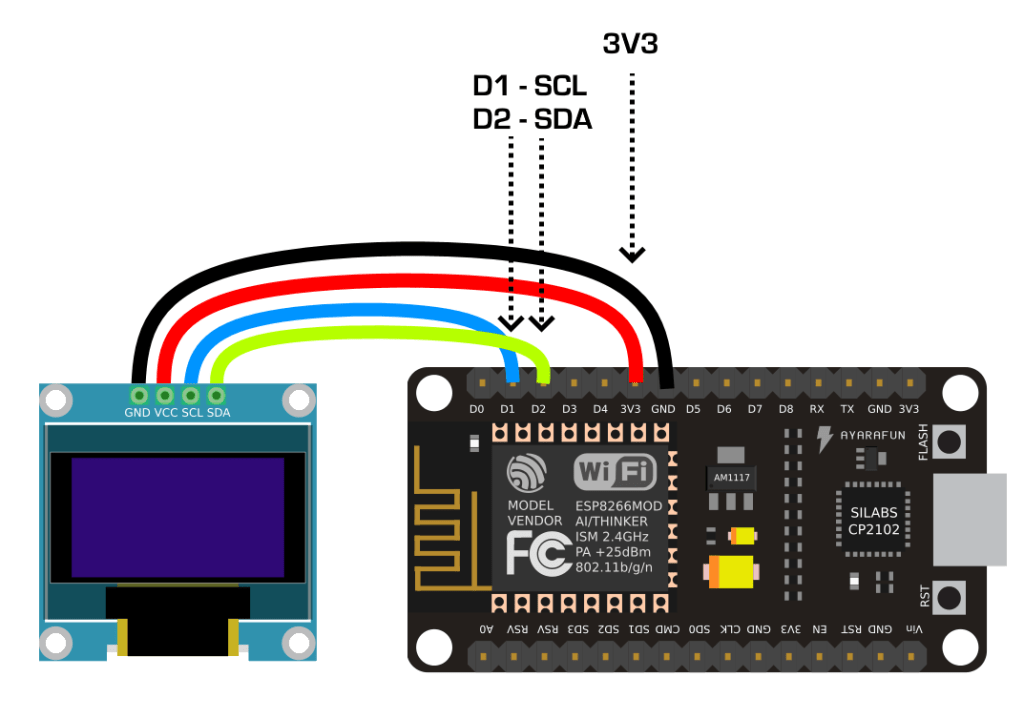 Continue reading →: i2c OLED on ESP8266
Quick and dirty guide to running a OLED on an ESP8266, NodeMCU or one of its relatives.
-
 Continue reading →: Installing ESP8266 in Arduino (NodeMCU)
Get the ESP8266 Hardware installed easily on you Arduino IDE. Do it. Do it now.
-
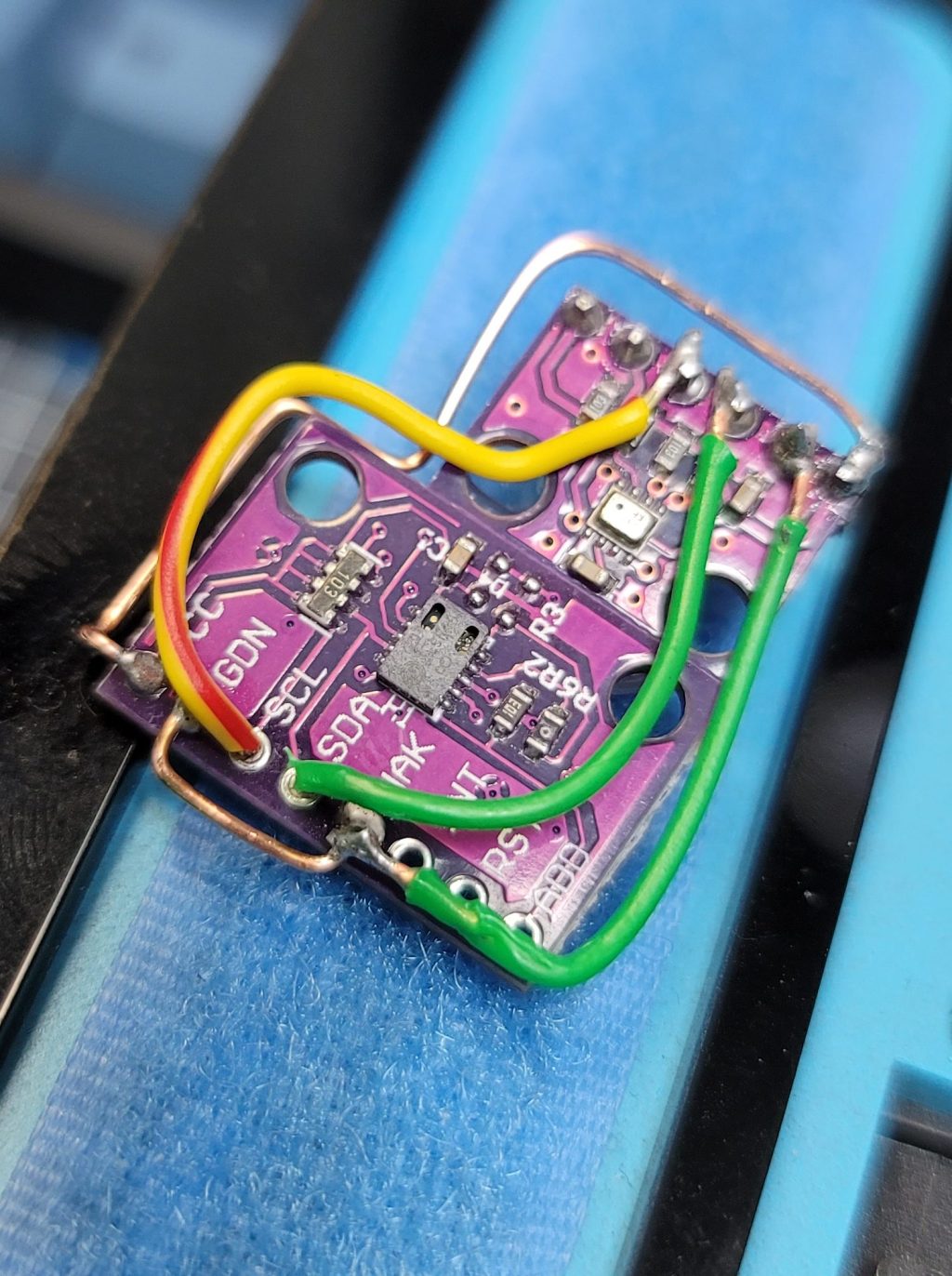 Continue reading →: Hunt those Sensors: i2c Scanner (for Arduino)
Note: this example is specifically for Arduino Uno//Leonardo//Pro-micro. i2c is a protocol used for certain OLED displays, LCDs, many new and cheap sensors, and even if you want one microcontroller to talk with another. This guide shows how you can connect the i2c device to an Arduino-type microcontroller, and poll…
-
 Continue reading →: The world’s simplest resistor colour-code posters
The worlds most simple, clear, minimal resistor colour-code poster.
-
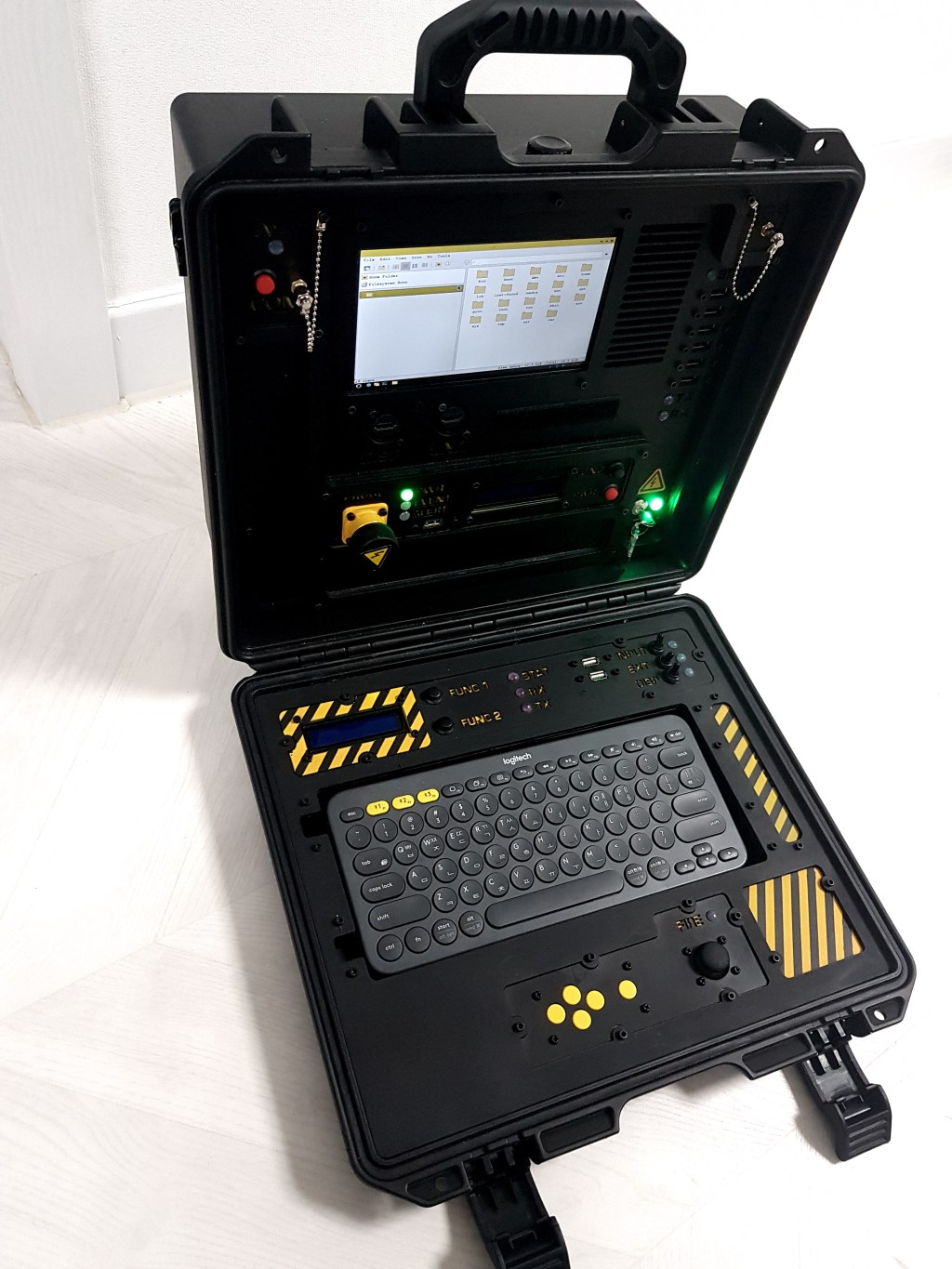 Continue reading →: Cyberdeck Build: R.A.T.I.S.
I built a Raspberry Pi 3 luggable cyberdeck, with a built-in Geiger counter that measures ionizing radiation.
-
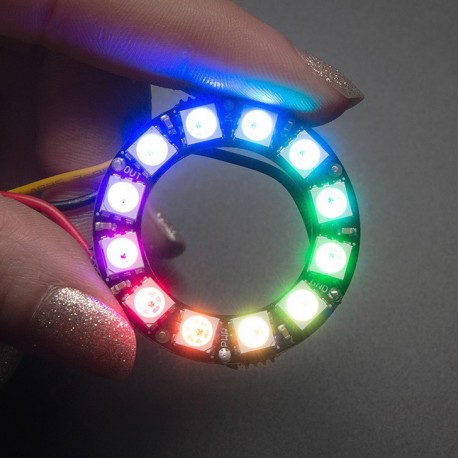 Continue reading →: Fantastic RGB LEDs, and where to find them
This is a short post based on a small and simple lesson that introduces some of my students to a rather fancy “hello world” – controlling Neopixel-style* LED strings. The proper technical name is WS2812b, and apart from “Neopixel”, “WS2812b” is the best search term to use when looking for…
-
 Continue reading →: What is physical computing?
TLDR: Inventing new things and applying current technology in creative ways will require code, electronics, and vivid imagination: in other words, technical skill and creative thinking are needed together. Creative thinking requires curiosity, tools to imagine, and the willingness to explore and play with new technology. But that’s not all:…
-
 Continue reading →: January – Programmable Paper Workshop
Much exciting content to look forward to, but among other things is an intro course to programming paper-based devices. This is a natural extension of my Paper Circuit Art course, and continues the theme of making art using this media. I’m especially excited, as I have been working on a…
-
 Continue reading →: Why start coding with Arduino?
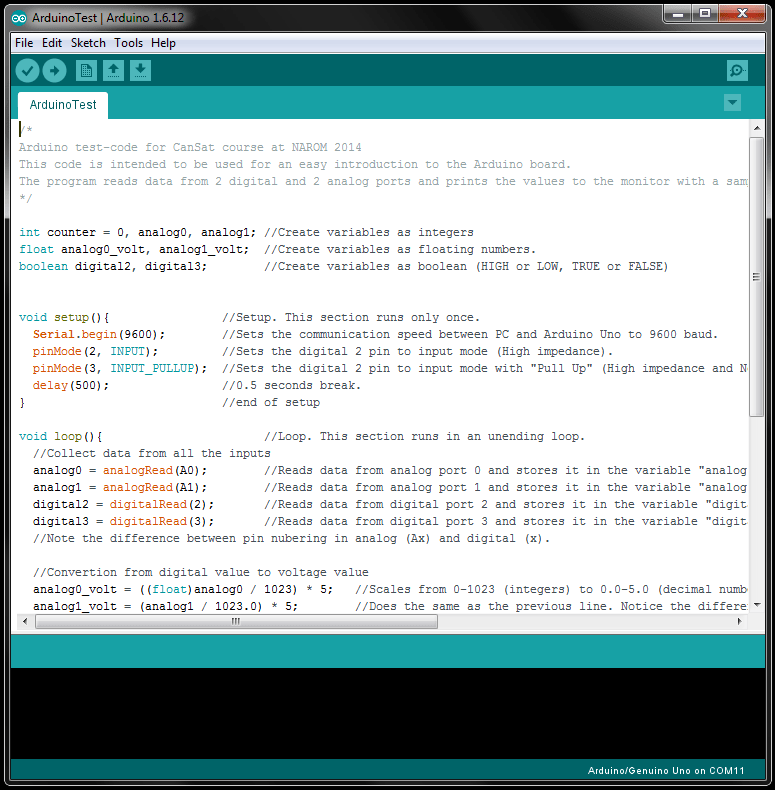
Arduino lives between two worlds – it is both programming and electronics rolled into something of both – microcomputers, aka physical computing. This makes one wonder, is Arduino really the best way to learn coding, especially for young children? (As a note, Arduino uses C-language to be run) After all,…




 The Electronics Deli